Car Care
/
A practical guide to washing, drying, contamination removal, and professional maintenance after a ceramic coating installation.
Car Care
Understand how paint protection film and ceramic coating differ in impact protection, surface care, appearance, and maintenance.
Paint protection film and ceramic coating are often discussed together because both are used to protect a vehicle’s exterior. They work in different ways, however, and the right choice depends on the type of protection a driver expects.
The clearest distinction is physical protection versus surface protection. Paint protection film adds a flexible film over painted areas. Ceramic coating bonds to the surface as a thin chemical layer that improves water behavior, gloss, and ease of cleaning.
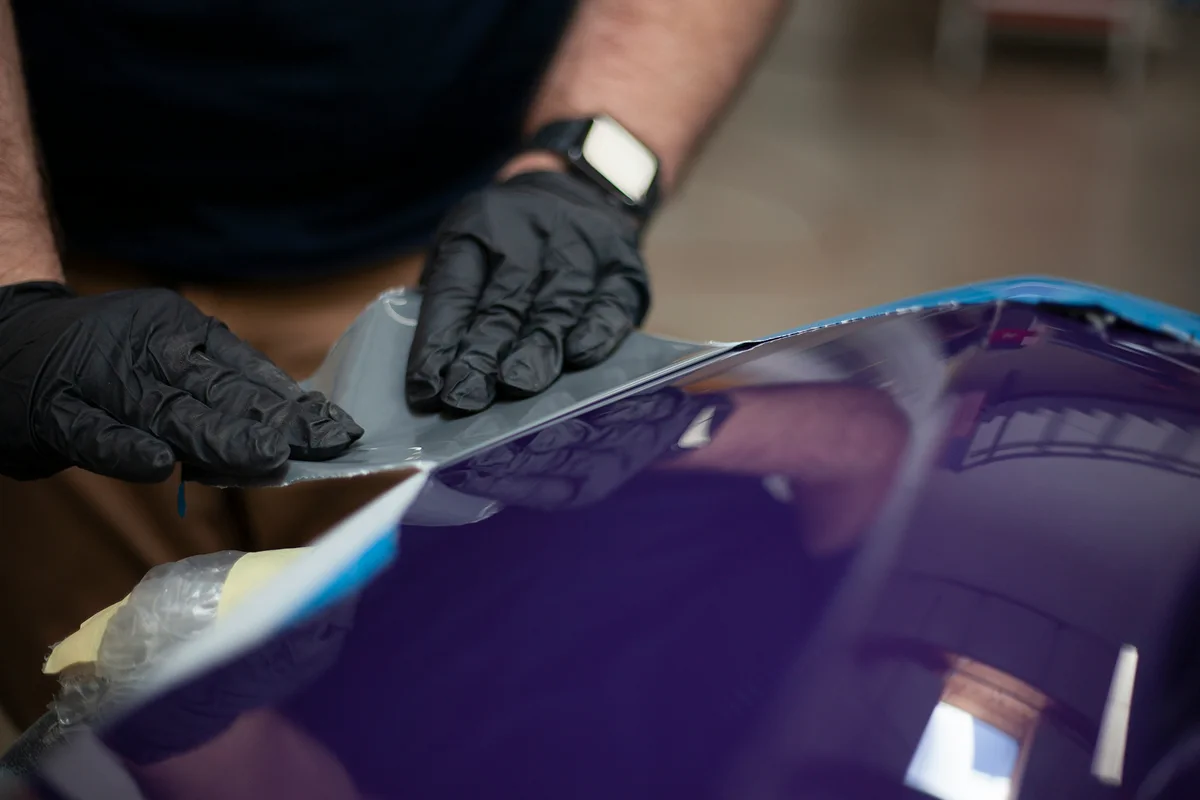
Paint protection film, commonly called PPF, is a transparent urethane film installed over selected painted panels. Its thickness and flexibility allow it to absorb many minor impacts from road debris and help protect against chips, scuffs, and light scratches that would otherwise reach the paint.
Common coverage areas include the front bumper, hood, front fenders, mirror caps, rocker panels, door edges, and areas behind the wheels. Some owners choose partial coverage for high-impact zones, while others protect most or all painted surfaces. Film coverage should match where and how the vehicle is driven.
PPF still needs care. Edges should be washed gently, pressure should not be concentrated at close range along seams, and contamination should be removed before it bonds. Film appearance and service life also depend on installation, exposure, and ongoing maintenance.
A ceramic coating is a liquid-applied product that cures on the exterior surface. It can add gloss, help water move off the paint, and make routine dirt and contamination easier to remove. It can also provide resistance to some environmental and chemical exposure when maintained correctly.
Ceramic coating does not provide the same impact-absorbing layer as PPF. It will not stop a stone chip, and it does not make paint scratch-proof. Its value is mainly in surface behavior, appearance, and easier routine care.
For frequent highway driving or concern about stone chips, PPF offers the stronger physical barrier.
For gloss, hydrophobic behavior, and easier washing, ceramic coating addresses surface maintenance.
For high-impact areas, film can be installed only where the risk is greatest.
For a vehicle that is garaged and driven lightly, the owner’s priorities may favor a different balance.
Both options preserve the underlying finish best when paint is properly prepared first. Existing swirls, scratches, oxidation, or contamination do not disappear simply because a film or coating is installed. An inspection helps determine whether cleaning, decontamination, or paint correction should happen before protection.
Quality PPF is designed to remain visually discreet, but seams and edges may be visible depending on the panel and coverage. Ceramic coating changes surface behavior without adding a visible film edge. Both can enhance a clean finish, yet neither replaces good washing habits.
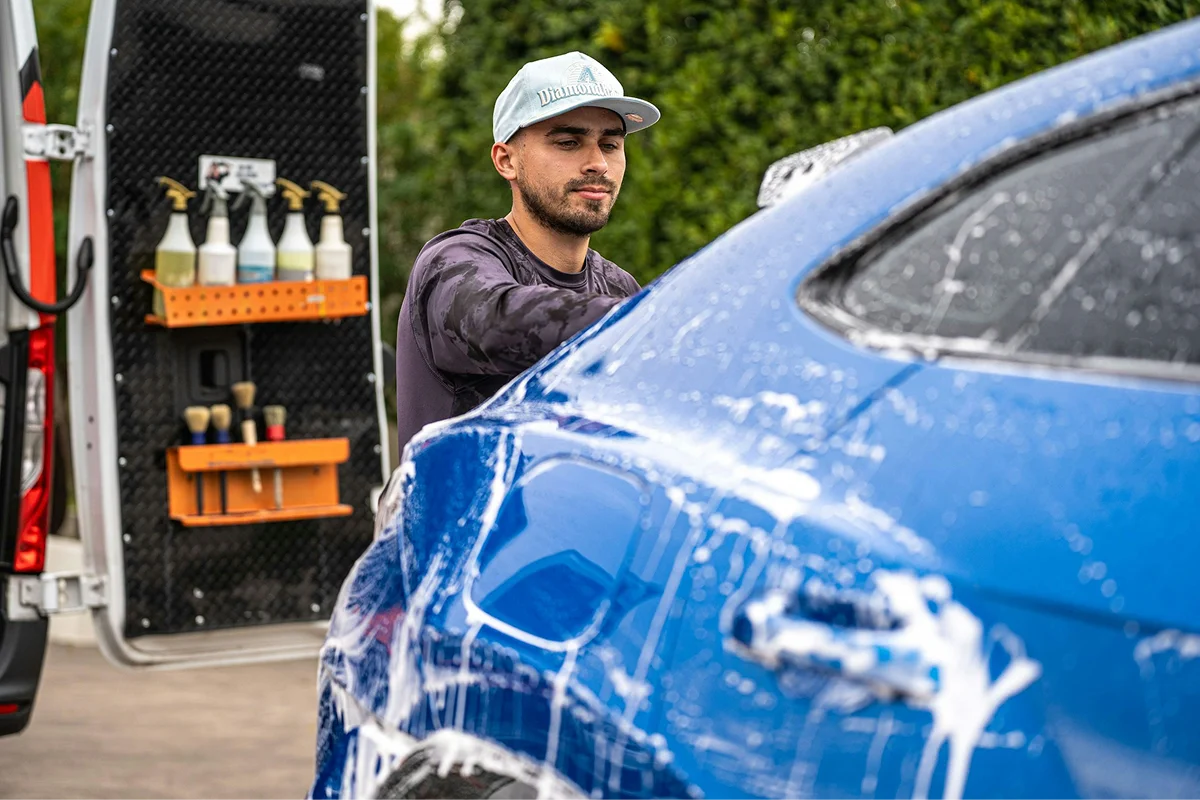
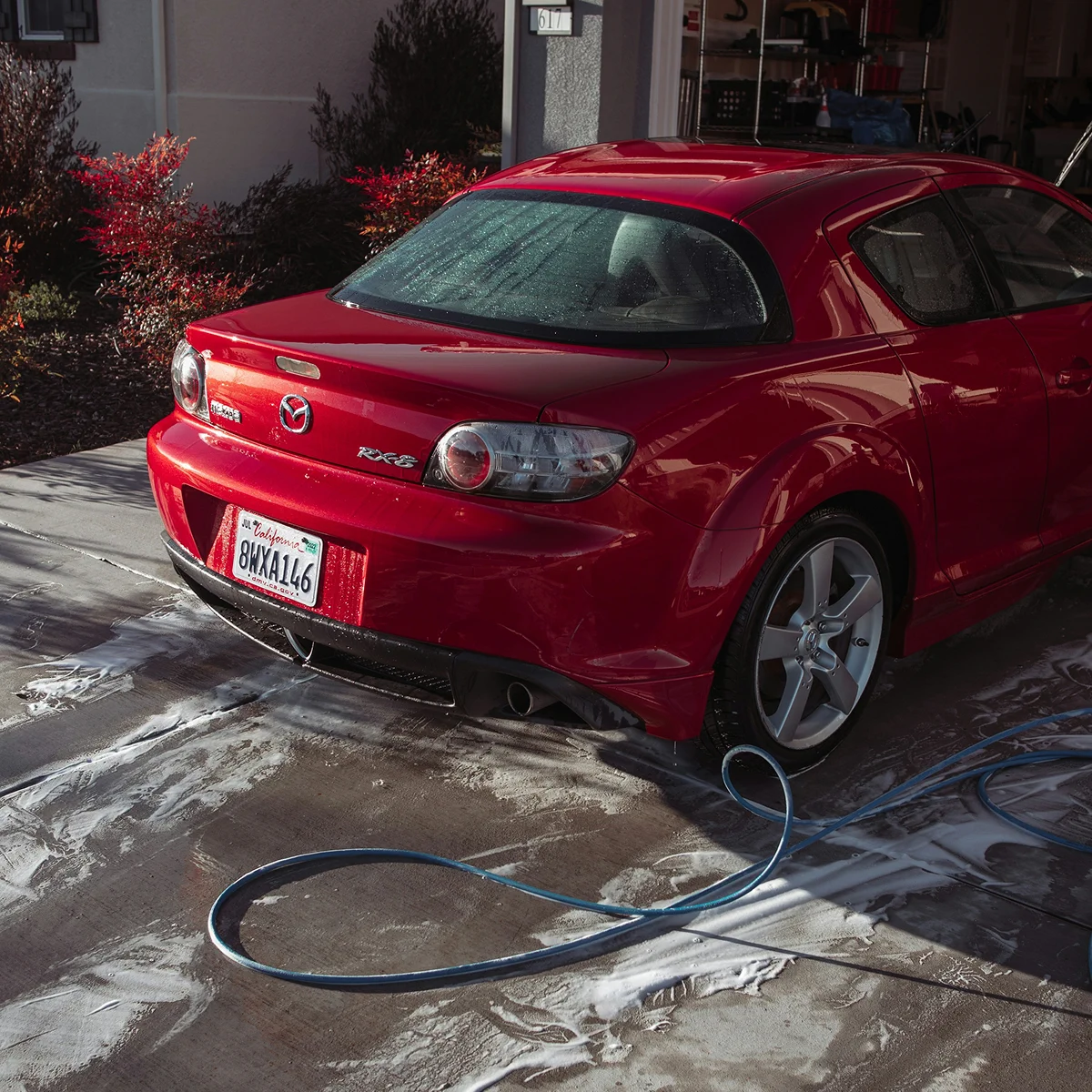
Use gentle automotive wash products, clean microfiber towels, and careful drying. Avoid abrasive tools. For PPF, pay attention to film edges and follow the installer’s care guidance. For ceramic coating, remove water spots and bonded contamination before they become difficult to address.
Yes. Some owners install PPF on areas likely to receive impacts, then apply a compatible ceramic coating over the film and remaining painted surfaces. This can pair physical protection with easier cleaning and more consistent water behavior across the vehicle.
Compatibility and installation sequence matter, so the system should be planned before work begins. Products should be chosen for the surfaces they will cover, and aftercare instructions may differ between the film and exposed paint.
Where and how often is the vehicle driven?
Are road chips or light surface contamination the larger concern?
Which panels receive the most exposure?
How long do you plan to keep the vehicle?
How much routine maintenance are you comfortable doing?
What coverage fits the available budget?
Neither option is universally better. A daily commuter, weekend car, new vehicle, and older vehicle may each call for a different approach. HyperAuto Care can inspect the finish and explain where Paint Protection Film or ceramic coating may provide useful protection without recommending more coverage than the vehicle needs.
Get Template - Free