Car Care
/
Understand how paint protection film and ceramic coating differ in impact protection, surface care, appearance, and maintenance.
Car Care
A practical guide to washing, drying, contamination removal, and professional maintenance after a ceramic coating installation.
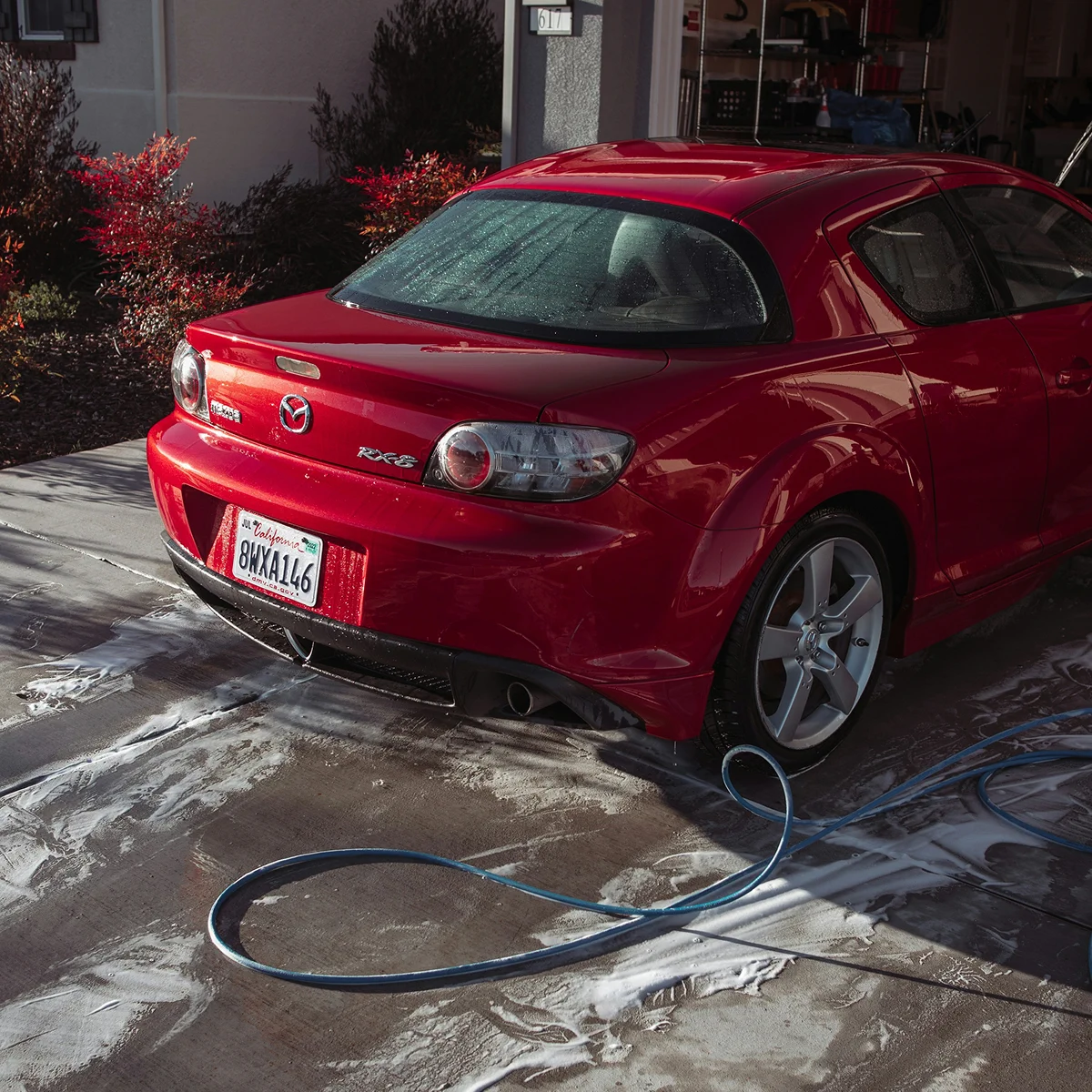
A ceramic coating can make routine cleaning easier and help paint resist environmental contamination, but it does not remove the need for regular care. It is a thin protective layer, not armor. It will not make paint scratch-proof, and a coated vehicle can still collect road film, mineral deposits, pollen, and other dirt.
A simple maintenance routine protects the coating’s appearance and helps its water-repelling behavior stay consistent. The safest approach is gentle washing, thorough rinsing, and careful drying, with professional attention when bonded contamination cannot be removed safely at home.
Every coating system has its own cure requirements. Temperature, humidity, product chemistry, and whether the vehicle was exposed to controlled conditions can all affect the early aftercare period. Follow the specific instructions provided by your installer instead of relying on one universal waiting time.
During that period, keep the vehicle away from avoidable moisture, sprinklers, bird droppings, and other contamination as directed. If something does land on the paint, contact the installer for advice before rubbing at the surface. Early, careful action can prevent a small issue from becoming a visible mark.
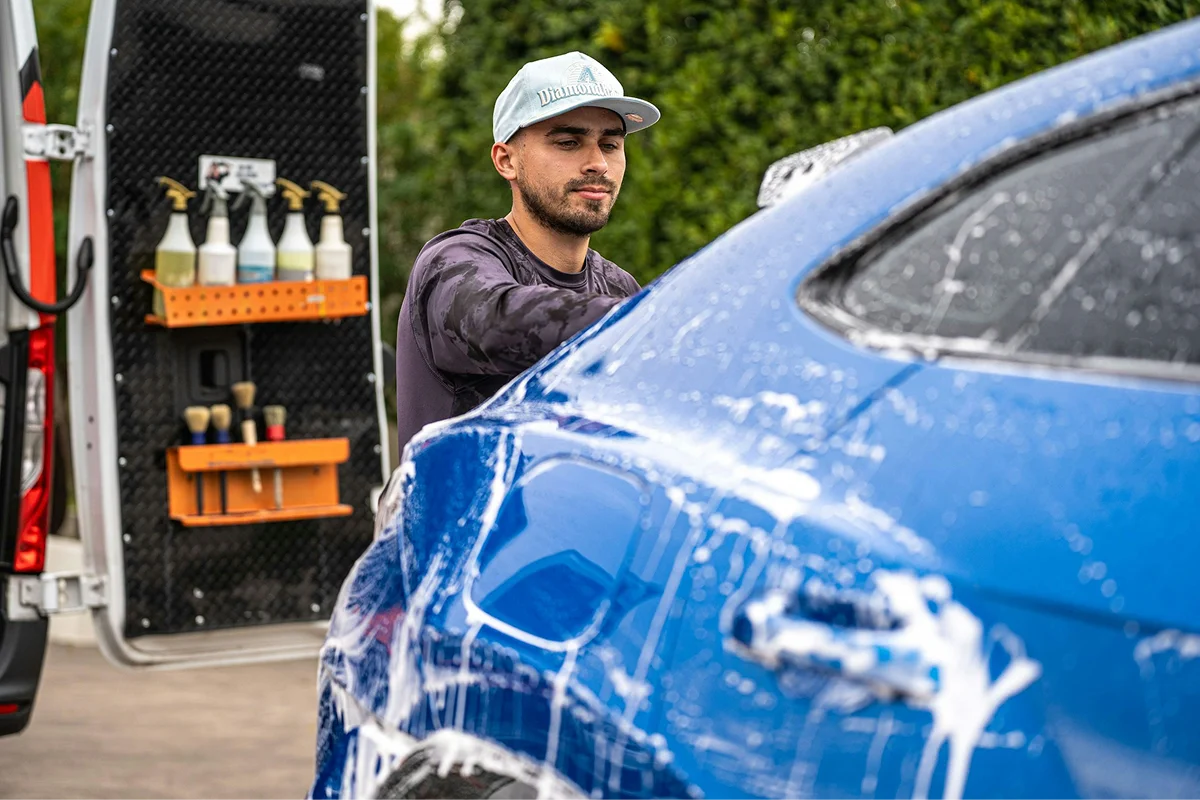
A coated car still needs washing. Regular cleaning prevents traffic film and contamination from building up and masking the coating’s surface behavior. The right schedule depends on how often the vehicle is driven, where it is parked, and current weather, so use the vehicle’s condition as the guide.
Rinse loose dirt from the body, wheel areas, and lower panels before touching the paint.
Use a clean wash mitt and an automotive shampoo intended for maintained exterior surfaces.
Work from cleaner upper areas toward dirtier lower panels, rinsing the mitt frequently.
Rinse the vehicle completely so shampoo and loosened contamination do not dry on the surface.
Dry with clean, soft microfiber towels or a safe vehicle dryer.
Automatic washes that use rotating brushes can trap debris and drag it across the paint. Harsh household cleaners, abrasive pads, and rough towels can also reduce gloss or leave marks. Use products and tools made for automotive finishes, and replace towels that have become contaminated or stiff.
Water can leave mineral deposits behind as it dries. Those deposits may be especially noticeable on dark paint, warm panels, or a vehicle parked in direct sun. Wash in a shaded area when practical, keep panels cool, and dry the vehicle promptly after the final rinse.
If water spots remain, avoid aggressive scrubbing. A light deposit may respond to an appropriate automotive water-spot product, while bonded or etched marks can require professional assessment. The correct response depends on whether the deposit sits on the coating or has affected the surface below it.
A coated surface may begin to sheet water rather than form tight beads when it is covered by road film, soap residue, iron particles, or mineral deposits. That change does not automatically mean the coating has failed. A thorough maintenance wash and suitable decontamination can often restore the behavior.
Tree sap, bird droppings, bug residue, and tar should be removed with a method suited to the contaminant. Do not scrape them away. If a product label or the installer’s guidance is unclear, ask before using it on the coating.
Treating the coating as maintenance-free and allowing dirt to remain for long periods.
Using abrasive brushes, dirty wash media, or household cleaners.
Washing hot paint in direct sun and allowing shampoo or rinse water to dry.
Applying strong chemicals or unverified toppers without checking compatibility.
Polishing the vehicle casually, which can reduce or remove the coating.
Professional maintenance can be useful when the paint feels rough after washing, water spots remain, hydrophobic performance changes across several panels, or the vehicle needs a deeper seasonal clean. The surface can be inspected, safely decontaminated, and checked for areas that need additional attention.
If you are unsure how to care for a recent installation, review the instructions supplied with the service. HyperAuto Care can also help with a maintenance detail or discuss whether a Ceramic Coating service fits your vehicle’s condition and daily use.
Get Template - Free